




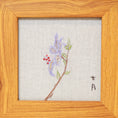

Description
Description
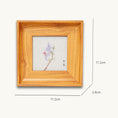
Dimensions
Dimensions
FAQ
FAQ
1. Is this embroidery handmade?
Answer:
Yes. Every Sinocrafted embroidery artwork is entirely handcrafted by experienced artisans using traditional Suzhou embroidery techniques. Each stitch is carefully created by hand, making every piece unique.
2. What is Suzhou embroidery?
Answer:
Suzhou embroidery is one of China's most celebrated traditional embroidery arts, renowned for its exceptionally fine silk threads, intricate stitching, elegant color transitions, and centuries-old craftsmanship.
3. How long does it take to create one embroidery artwork?
Answer:
The production time depends on the complexity of the design. Many pieces require dozens or even hundreds of hours of meticulous hand embroidery before they are completed.
4. What materials are used?
Answer:
Our embroidery artworks are crafted using premium silk threads on carefully selected fabric and presented in high-quality decorative frames designed to complement the artwork.
5. Is every piece unique?
Answer:
Yes. Because every embroidery is stitched by hand, no two pieces are exactly alike. Slight variations reflect the individuality of handcrafted artistry.
6. Is this suitable for home decoration?
Answer:
Absolutely. These embroidered artworks are designed to complement living rooms, bedrooms, offices, studies, and entryways while adding a refined cultural touch to any interior.
7. Is this artwork ready to hang or display?
Answer:
Yes. Depending on the product, the artwork arrives professionally framed or mounted and is ready to display upon arrival.
8. How should I clean the embroidery?
Answer:
Dust the frame gently with a soft dry cloth. Avoid touching the embroidered surface directly, and never use water or chemical cleaners on the embroidery itself.
9. How should I store the artwork?
Answer:
Keep the artwork in a cool, dry place away from direct sunlight, excessive humidity, and heat. Proper storage helps preserve both the silk threads and the frame.
10. Will the colors fade over time?
Answer:
With proper care and indoor display, the silk threads retain their beauty for many years. Avoid prolonged exposure to strong sunlight to help preserve the colors.
11. Is this a good gift?
Answer:
Yes. A handcrafted Suzhou embroidery artwork makes a meaningful gift for weddings, housewarmings, anniversaries, birthdays, business occasions, and cultural art enthusiasts.
12. What do the embroidery motifs symbolize?
Answer:
Many traditional Chinese motifs carry auspicious meanings. For example, lotus flowers symbolize purity, peonies represent prosperity, cranes signify longevity, and koi fish symbolize abundance and good fortune.
13. Why is handcrafted embroidery more valuable?
Answer:
Unlike machine-made decorative pieces, handcrafted Suzhou embroidery requires exceptional skill, patience, and many hours of manual work. Every artwork reflects the artisan's craftsmanship and artistic expression.
14. Is this considered collectible?
Answer:
Many collectors appreciate handcrafted Suzhou embroidery for its artistic quality, cultural heritage, and limited handmade production. Each piece represents traditional craftsmanship rather than mass manufacturing.
15. Can I customize an embroidery artwork?
Answer:
Yes. Sinocrafted offers selected customization services, allowing you to create personalized embroidery artworks based on your preferred design, portrait, pet, or meaningful photograph, depending on the collection.
Su Embroidery
Su Embroidery
A Timeless Masterpiece of Chinese Craftsmanship
Su Embroidery (Su Xiu) is one of China's most celebrated traditional embroidery arts, originating in Suzhou over 2,000 years ago. Renowned for its extraordinary precision, elegant colors, and silk-like delicacy, each piece is meticulously handcrafted using fine silk threads and a variety of intricate stitching techniques, including split stitch, satin stitch, random stitch, and layered embroidery. Skilled artisans often divide a single silk thread into extremely fine strands to create remarkable depth, subtle shading, and lifelike details. More than a decorative art, Su Embroidery represents centuries of Chinese cultural heritage, combining technical mastery with artistic expression to transform silk into enduring works of art.
Free Shipping & Returns
Free Shipping & Returns
Order Processing Time
Every Sinocrafted piece is carefully prepared before shipment.
- Orders are typically processed and dispatched within 2 business days from our warehouse.
- During periods of high demand or for temporarily out-of-stock items, processing may take longer.
- If your order contains multiple items, they may be shipped separately in different packages to ensure the fastest possible delivery.
Once your order has been shipped, you will receive a shipping confirmation email with tracking information.Learn More.
Care & Maintenance
Care & Maintenance
- Keep Away from Direct Sunlight — Prolonged exposure may cause silk threads to fade over time. Display in a softly lit area to preserve the original vibrancy of each hue.
- Avoid Moisture & Humidity — Embroidery is sensitive to damp conditions. Do not place in bathrooms, near windows prone to condensation, or in excessively humid environments.
- Dust Gently — Use a soft, dry brush or a feather duster to remove surface dust. Never use water, solvents, or chemical cleaners on the embroidered surface.
- Handle with Clean, Dry Hands — Natural oils from skin can transfer onto silk threads. When moving or repositioning, hold the frame by its outer edges rather than touching the fabric.
- Do Not Press or Fold — The embroidery's dimensional texture is part of its artistry. Avoid placing objects on top of or leaning anything against the piece to prevent flattening or distortion of the stitches.
- Store Upright in a Dry Place — If not on display, keep the piece standing upright in a dust-free, well-ventilated space. Wrap loosely in acid-free tissue paper for added protection.
-

Intangible Cultural Heritage
-

Handmade Craftsmanship
-

Decorative Art
-

Master Designed


Museum Quality Hand Crafted Su Embroidery-One Of A Kind Master Piece

Hand-Embroidered. Su Style. One of a Kind
Hand-Embroidered. Su Style. One of a Kind
Ideal for Living Room & More


The Four Craftsmanship Steps

1.Design & Pattern Drafting
The artisan begins by composing the motif directly onto fine linen — no printed guide, only a trained hand and an instinct for balance.

2. Thread Selection & Color Layering
Silk threads are split strand by strand — sometimes to a single filament thinner than a hair — and laid side by side in deliberate gradation.

3.Suzhou Embroidery Stitching
Using time-honored techniques — Qi (even stitch) for smooth petal surfaces, Tao (needle) for layered color transitions, and gold filaments for the radiating heart — the artisan works stitch by stitch.

4. Stretching & Framing
The finished embroidery is damp-stretched over a board to remove every ripple, then mounted within a solid natural-wood frame chosen to complement the warmth of the linen and the softness of the silk.

YOU MAY ALSO LIKE
-
Precio Regular$99.00 USDPrecio RegularPrecio de oferta$99.00 USDPrecio unitarioporAdorno de seda hecho a mano para pared, bordado Suzhou con calidad de museo—Hibisco
-
Precio Regular$159.00 USDPrecio RegularPrecio de oferta$159.00 USDPrecio unitarioporAdorno de Bordado en Seda de Suzhou Hecho a Mano Grado Museo — Peonía
-
Precio Regular$290.00 USDPrecio RegularPrecio de oferta$290.00 USDPrecio unitarioporAdorno de seda hecho a mano para pared, bordado Suzhou con calidad de museo—Hibisco


