


Description
Description
Handmade Details
Handmade Details
About Materials
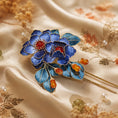
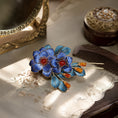
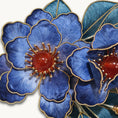
Ronghua petals are crafted from silk threads with heat-shrink technique (similar in texture to fine resin). Chan Hua (wrapped flowers) use silk threads or silk velvet threads.
About Color
All photos are taken without filters or beauty effects. Colors may appear slightly different depending on lighting and display settings. The actual piece you receive is the standard — and many look even more beautiful in person!
About Components
Color-retaining copper, color-retaining alloy, stainless steel, and more.
About the Flowers
Every piece is handmade and may show subtle artisan marks. No two pieces are identical — this is the nature of handcraft. Please consider carefully before purchasing if absolute uniformity is expected.
Dimensions
Dimensions
Free Shipping & Returns
Free Shipping & Returns
Order Processing Time
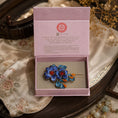
Every Sinocrafted piece is carefully prepared before shipment.
- Orders are typically processed and dispatched within 2 business days from our warehouse.
- During periods of high demand or for temporarily out-of-stock items, processing may take longer.
- If your order contains multiple items, they may be shipped separately in different packages to ensure the fastest possible delivery.
Once your order has been shipped, you will receive a shipping confirmation email with tracking information.Learn More.
Care & Maintenance
Care & Maintenance
Keep Dry & Oil-Free
Ronghua is delicate — avoid contact with oil and water. Do not press hard when wearing. Never wash with water!
Prevent Crushing & Impact
- Store in a cool, dry place away from direct light. Ronghua can be kept on a jewelry stand or inside a jewelry box.
- Store each piece separately — do not pile them together, as they can easily lose their shape!
- In humid climates (especially during Southern China's damp seasons), the petals of flat-pressed Ronghua may soften as air moisture rises. This is completely normal and will not affect use.
FAQ
FAQ
1. What is Ronghua?
Answer:
Ronghua, also known as traditional Chinese velvet flowers, is a centuries-old handcrafted art form made by shaping fine silk fibers over metal wire. Once worn in imperial courts, Ronghua is now cherished as a symbol of Chinese cultural heritage and exquisite craftsmanship.
2. Is this Ronghua handmade?
Answer:
Yes. Every Sinocrafted Ronghua piece is handcrafted by skilled artisans using traditional techniques. Each flower is individually shaped and assembled by hand, making every piece unique.
3. What materials are used?
Answer:
Our Ronghua creations are made using fine silk fibers, metal wire, and carefully selected decorative components. Each material is chosen to preserve the beauty and delicate texture of traditional Ronghua craftsmanship.
4. Is every piece unique?
Answer:
Yes. Because each Ronghua ornament is handmade, slight variations in shape and detail are natural. These subtle differences are part of the charm of handcrafted artistry.
5. How should I wear a Ronghua ornament?
Answer:
Depending on the design, Ronghua can be worn as a hair accessory, brooch, lapel pin, hat decoration, or paired with traditional clothing such as Hanfu and Qipao, as well as modern outfits for an elegant cultural touch.
6. Is Ronghua suitable for everyday wear?
Answer:
Yes. While many customers wear Ronghua for special occasions, it can also be styled for everyday outfits with proper care.
7. How should I store my Ronghua?
Answer:
Store your Ronghua ornament in a dry, dust-free place away from direct sunlight and moisture. Avoid placing heavy objects on top of it to help preserve its shape.
8. Can Ronghua get wet?
Answer:
It is best to keep Ronghua dry. If it becomes damp, allow it to air dry naturally without using heat. Avoid soaking or washing the ornament.
9. How do I clean a Ronghua ornament?
Answer:
Use a soft brush or a gentle air blower to remove dust. Do not wash with water or use chemical cleaners, as they may damage the delicate silk fibers.
10. Is this a good gift?
Answer:
Absolutely. A handcrafted Ronghua ornament is a meaningful gift for birthdays, weddings, anniversaries, Mother's Day, cultural celebrations, and anyone who appreciates traditional craftsmanship.
11. What do the flower designs symbolize?
Answer:
Many Ronghua designs are inspired by traditional Chinese flowers. For example, peonies symbolize prosperity, plum blossoms represent resilience, lotuses signify purity, and camellias express elegance and good fortune.
12. Why is Ronghua valuable?
Answer:
Each Ronghua ornament requires careful handcrafting and traditional techniques that have been passed down through generations. The artistry, time, and cultural significance make every piece more than an accessory—it is a wearable work of art.
13. Will the flower lose its shape?
Answer:
With proper care and storage, Ronghua ornaments maintain their shape beautifully. Avoid excessive pressure or bending, as the handcrafted petals are delicate.
14. Can I wear Ronghua with modern clothing?
Answer:
Yes. While Ronghua has deep roots in traditional Chinese fashion, many people pair it with modern dresses, coats, blazers, scarves, or handbags to create a refined East-meets-West style.
15. Is Ronghua part of Chinese cultural heritage?
Answer:
Yes. Ronghua is recognized as an important traditional Chinese handicraft with a long history. It reflects centuries of artistry and continues to be preserved by skilled artisans today.
-

Intangible Cultural
-

Oriental Aesthetics
-

Handmade Craftsmanship
-

Master Designed


Silk for Soul, Copper for Bone — The Ancient Craft That Brings Velvet Flowers to Life

Ronghua, the Eternal Bloom
Ronghua, the Eternal Bloom
Not Grown in Soil, but Nurtured by Hands


The Making of Ronghua
— From Silk Thread to Living Flower

Spinning the Soul
Finest silk is selected, boiled, stripped from the cocoon, and drawn into velvety strands as fine as hair. The thickness of each strand determines the texture of every petal — guided solely by the maker's touch, with no mold to follow.

Twisting the Bone
Brass wire is spiraled together with silk velvet strands — copper for the skeleton, silk velvet for flesh. Twist too loosely and the petals collapse; twist too tightly and they stiffen. Between too loose and too tight lies the craftsman's sense of proportion, honed over decades.

Coloring by Hand
The petal's gradient is not printed — it is hand-dipped. The transition from deep violet to creamy white depends on the maker's fingers controlling how long and at what angle the strand enters the dye. Within the same design, each bloom carries a subtle shift in color — not a flaw, but the breath of handmade craft.

Shaping the Petal
With scissors, the velvet strand is trimmed into the curve of a petal — one cut per petal, each stroke irreversible. How many petals does an iris require? The answer lives in the craftsman's heart, not on any blueprint.

Assembling the Bloom
The trimmed petals are glued and assembled one by one, paired with stamens, leaves, and pearl tassels. A single Ronghua bloom goes from nothing to being through over a dozen steps and hours of handwork — only to blossom at last in your hair.
You May Also Like
-
Prezzo regolare$39.00 USDPrezzo regolarePrezzo di vendita$39.00 USD Risparmia $-39.00 USD (%)Prezzo unitarioper
Bacchetta per capelli Ronghua con iris rosa artigianale | Accessorio tradizionale cinese per capelli
-
Prezzo regolare$89.00 USDPrezzo regolarePrezzo di vendita$89.00 USD Risparmia $-89.00 USD (%)Prezzo unitarioper
Spilla floreale Ronghua cloisonné Heritage con filigrana smaltata
-
Prezzo regolare$69.00 USDPrezzo regolarePrezzo di vendita$69.00 USD Risparmia $-69.00 USD (%)Prezzo unitarioper
Spilla rosa Ronghua Heritage artigianale con fiore smaltato e goccia di perla


